By Jessica Painter, Elementary Teacher

6 min read
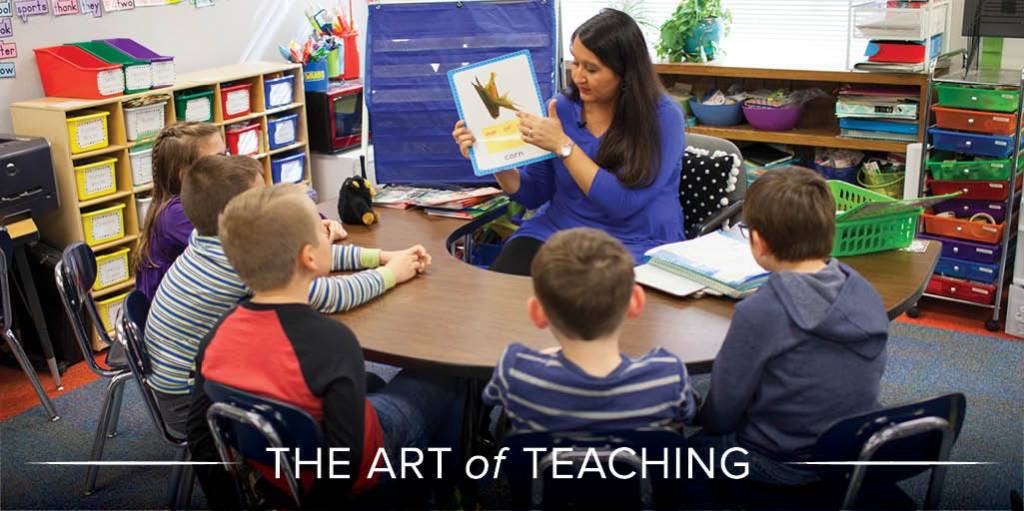
Like most things in life, approaches to reading instruction ebb and flow. One of the more recent trends in reading instruction was what educators have come to know as balanced literacy. Most trends in education aren’t entirely negative; they have positive elements as well. Balanced literacy is no exception. Proponents of balanced literacy have long argued that this approach to reading instruction helps to foster a love of reading and writing in their students. They also argue, among other things, that the balanced literacy approach provides a great balance of student-centered learning along with explicit instruction, all of which provides students with a variety of learning experiences and well-rounded reading materials.
Sounds great, right?
Well… like all trends, there are downsides, and over time, educators, administrators, and parents alike have come to see that this balanced literacy approach to instruction created “imposter” readers. The “imposter” reader looks like they are reading flawlessly, but haven’t actually gone through the effective processes of understanding how words work.
Practices such as “three-cueing” have had ripple negative effects. In an attempt to be “balanced” and forgo intensive phonics instruction for the sake of looking to the first/last letters of words alongside the pictures for word clues, it became apparent that those early readers who seemed so strong actually took significant dips in terms of their decoding, fluency and comprehension by the time they reached 3rd & 4th grade.
Why? Because balanced literacy taught them to look for pictures as clues, but failed to provide them with the phonetic tools to break apart and sound out words. It failed to give them a solid and firm reading foundation. As a result, the whole tower fell apart as the words grew larger, the texts became longer, and the pictures gradually disappeared.
Enter in: The Science of Reading! While not the primary purpose of this blog, it is worth noting that this structured literacy approach fosters strong, intentional, and flourishing readers at all levels through a heavy emphasis on phonetic instruction, informed by research-based practices. If you are unfamiliar with it, numerous blogs, podcasts, articles, and courses are dedicated to it. I encourage you to reach out to your network or search online to learn more about it.
Whew! That’s a lengthy introduction, but it is necessary for context to understand why schools are shifting away from years of balanced literacy to adopt the Science of Reading and structured literacy approach.
If you are a teacher, you are well aware of the angst that builds up when you think about or hear the words “new curriculum” or the phrase, “shifting away.” Those things require a lot of planning, lots of extra resources, and a lot of wrapping your mind around learning something new. Although we ask our students to learn new things all the time, it can be a challenge to want to do that ourselves, and oftentimes, we think that the devil we know is better than the devil we don’t.
What if, though, there was a way to smoothly transition into the “devil you don’t know”? What if it were possible to shift away from all of those years of balanced literacy while still using many of the materials, strategies, and “tricks” that you already have, but just thinking about them with a different perspective? What if I told you that transitioning from a balanced literacy to a structured literacy program was essentially about thinking and working smarter, not harder?
By the time you reach the end of this blog, I hope that you will be more equipped than you were before the reading to go into your literacy instruction feeling not only empowered and ready, but also excited — because great things are coming for you and your students!
Now, here is how you can easily, and with as little stress as possible, make the shift away from years and years of teaching balanced literacy.
Don’t throw away all of your old balanced literacy texts!
While structured literacy lends itself to decoding words and recognizing patterns in words, there is valuable instruction to be had using the books you already have in the classroom. You definitely want to build up your decodable library, but in the meantime, you can still teach valuable word attack skills from those old books. You can also incorporate good reading comprehension instruction from those old books. My encouragement to you is, if it’s a good story, keep it!
Talk, talk, talk about words!
Even in the worst curriculum, you can find valuable vocabulary. In my current school, we are using some very outdated literacy curricula. My school is not unique in the sense that sometimes, you get into the rut of what has “always been done,” and so those practices are then slow to change. If you find yourself in that scenario, trust me when I say that all is not lost! You can still put two great structured literacy practices to work:
- Sound out words: We know from Science of Reading research that most words can be sounded out and follow predictable or mostly predictable spelling once you know all of the rules. A lot of the words in my curriculum are intentionally confusing. However, I still take the time to sound them out and talk about which letters are working together to make which sounds. Then, we look for these letter patterns in other books we have in the classroom. You can do this too!
- Discuss vocabulary: More times than I can actually count, I have come across words in my current curriculum that my students have no clue about. Honestly, I even came across a handful of words that I didn’t know what they meant! Together with the class, we looked up the meanings of words, discussed them, and used them in sentences. I would also incorporate them into my sentence starters throughout the week in their morning journal. The conversations about these unexpected vocabulary words didn’t last more than five minutes, but they were always five minutes well spent. Building up vocabulary in our young learners is incredibly valuable and is never a waste of time.
Make reading instruction hands-on!
Any chance you have to make literacy instruction hands-on is not going to return void. This could be as simple as manipulating letter magnets, breaking apart syllables into boxes, clapping out words, highlighting words (highlighters are always a hit), searching for words in the classroom… The options are actually endless!
We know children learn by doing, but oftentimes, when it comes to reading instruction, we feel like we are stuck in the lane of pencil, paper, and books. Those things are great too, but it doesn’t have to end there. There are a lot of ways to get creative with hands-on literacy instruction. You don’t need to reinvent the wheel either. If you look on Facebook, Instagram, TikTok, etc., you can find plenty of teachers who have done this successfully in their classrooms.
At the end of the day, most of us are obviously tied to the curriculum our administrators have decided for us. Sometimes, as in my case, that curriculum can be lackluster and ineffective on its own. However, you are a professional, and you are the head of that classroom. Don’t be afraid to get innovative about the different ways that you can take your less-than-thrilling literacy curriculum and turn it into something that will have lasting benefits for your students.
In an ideal world, our administration will give us everything we need to make the shift. If not, be encouraged! There are inexpensive and even free things you can do to make a lifelong impact on future readers in your classroom.

Jessica has 13 years of experience as a classroom teacher. Over the years, she has enjoyed many funny “kid quotes,” mentoring student teachers, and leading educational initiatives. In her free time, Jessica enjoys spending time with her husband and three children, taking her collie for walks, connecting with other educators, and enjoying large cups of coffee.

Follow the conversation #WhyITeach
 jessicapainterconsulting.com
Leave a comment